
Dry-vapor system
The system transfers undiluted product into the vapor phase and introduces it to ambient air or a stack line. It is designed for gas-phase contact without adding humidity to the application area.
- No water dilution or mixture-preparation step
- Automatic operation can be linked to stack activity
- Model selection follows flow, pressure and site requirements
Dry-vapor system advantages
The existing product page describes the system through no water dilution or mixture preparation, lower storage volume, reduced nozzle-clogging risk, automation, fast installation and no additional wastewater.
- Factory stacks and enclosed ambient air
- Sludge-drying facilities
- Recycling and waste facilities
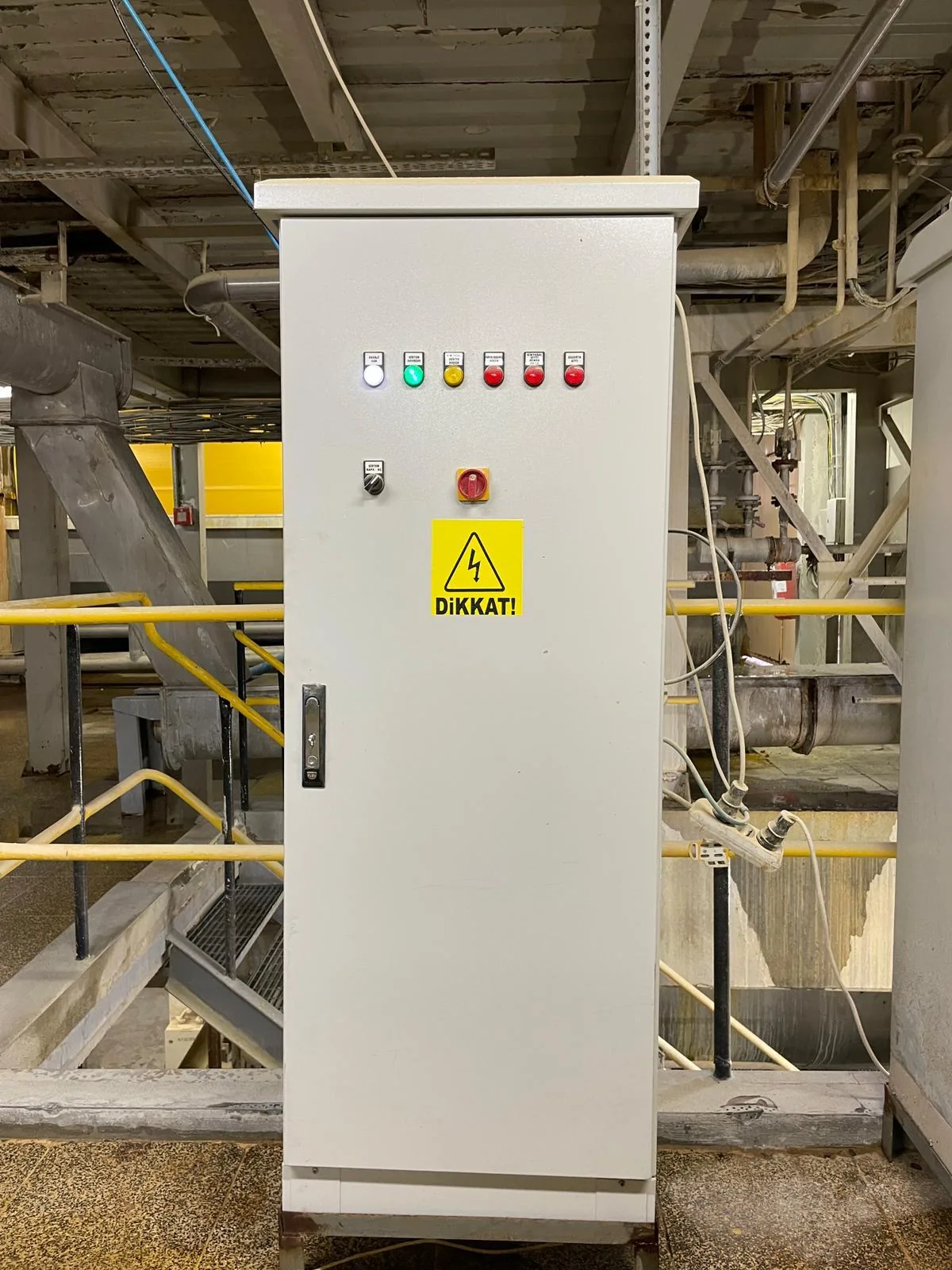


BRK device family — comparison of current product information
| Feature | BRK-10 | BRK-200 |
|---|---|---|
| Product-use range | 10–40 ml/hour | 10–200 ml/hour |
| Air pressure | 2–4 bar | 6–8 bar |
| Legacy listed flow class | Up to 20,000 m³ | Up to 100,000 m³ |
Do not use dosage or capacity figures as design inputs until site analysis and current technical data sheets have been reviewed.
How We Work
- Identify the source and dominant emission
- Review site and process conditions
- Select product and application method
- Monitor and adjust the application
Frequently Asked Questions
How are BRK-10 and BRK-200 compared?
The decision considers stack flow, line pressure, emission profile, automation needs and operating time—not the model name alone.